
Ofgem buried the real number. While headlines trumpet a 0.2% increase, electricity rates are jumping 5.1%.
Ofgem announced the January 2026 price cap at £1,758 annually for average dual-fuel bills, affecting 30 million households.
The Split Nobody Mentions
Electricity unit rates are jumping 5.1%, from 26.35p to 27.69p per kWh. Gas unit rates dropped 5.7%.
Households with high electricity usage and low gas consumption will see bills rise 3-4%, not 0.2%.
A household using 4,000 kWh of electricity annually will pay £54 more—not the £3.50 implied by the headline figure.
Where The Money Actually Goes
Wholesale costs fell 4% over the past three months. The cap still rose.
You’re paying for infrastructure that doesn’t exist yet. The Sizewell C nuclear project adds £1 per month to consumer bills through a Regulated Asset Base funding model—£12 annually for a plant that won’t generate power for 9-12 years.
The Warm Home Discount scheme now supports 2.7 million additional low-income households. The cost distributes across all consumer bills through standing charges.
Policy Costs Now Dominate
Policy costs have overtaken wholesale energy prices as the primary driver of increases.
Martin Lewis called this “policy perversion.” The government encourages households to move away from gas heating while making electricity more expensive through policy additions.
Cornwall Insight predicted a 1% drop hours before Ofgem’s announcement. The surprise was policy accounting, not market conditions.
April 2026 forecasts suggest another 4-5% increase from network costs and infrastructure investment.
Why April Matters More
The price cap protects consumers from extreme volatility but obscures the structural shift underneath.
Nuclear funding, social programs, and network upgrades now shape your monthly payment more than wholesale markets.
The 0.2% headline will age poorly for households on the wrong side of the electricity-gas divide. The mechanism rewards gas heating short-term while policy pushes electrification long-term.
If policy costs continue dominating, the modest January increase is the opening act.
Check your last 12 months of usage. If your electricity consumption outweighs gas by 2:1 or more, you’re on the wrong side of this split. Fixed tariffs become worth investigating before April’s forecasted 4-5% jump hits.
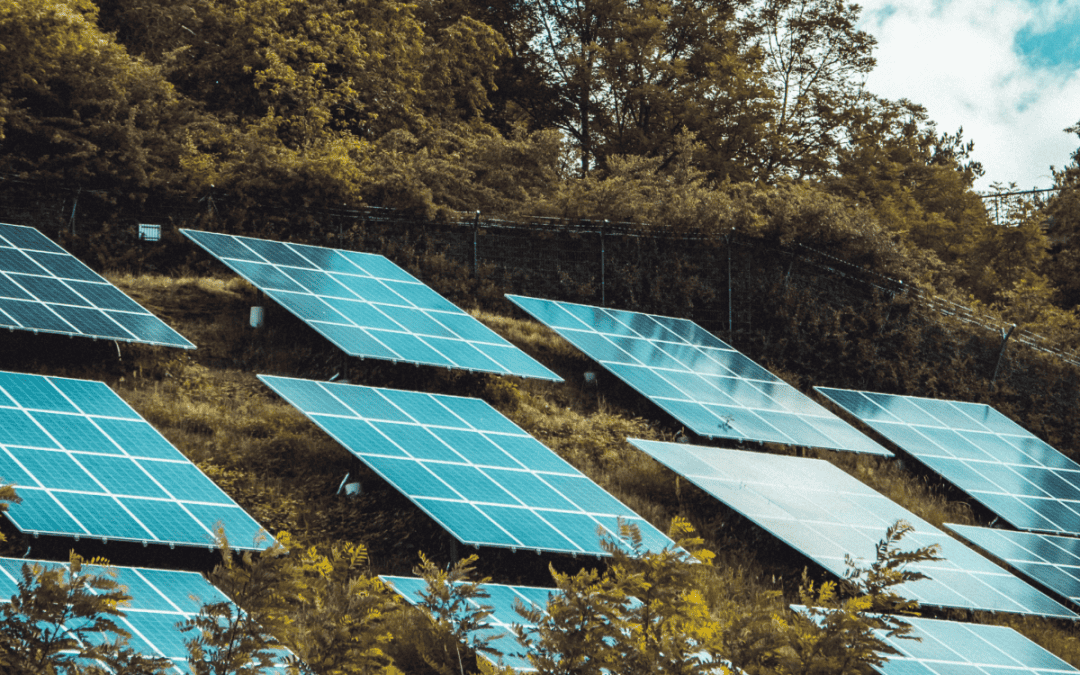
At 27.69p per kWh, every unit of electricity you generate yourself instead of buying from the grid is money saved. Solar panels paired with battery storage let you produce during the day and use it during evening peak rates. As electricity costs climb and gas costs drop, the payback calculation for solar improves—especially if policy costs keep pushing electricity prices up while gas stays relatively flat.